
Home / FAQ
Frequently Asked Questions About Standby Generator Installation and Service in Windham County
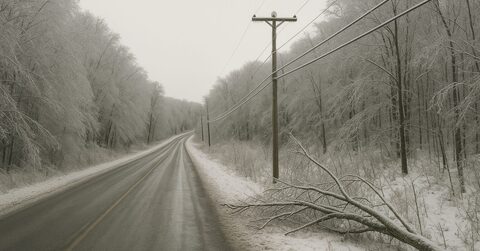
Power outages in Windham County are not the kind that last a couple of hours while you wait out a thunderstorm. Ice storms, nor'easters and downed lines on rural roads can knock out the grid for days. When that happens, losing power does not just mean sitting in the dark. For most homes in this part of Vermont, it means losing the well pump, so there is no water. It means losing the boiler, so the pipes are at risk. It means losing the refrigerator, the sump pump, whatever medical equipment someone in the house depends on. A generator is not a luxury item here. It is a practical response to a real and recurring problem.
Windham County Generators installs and services whole-home standby generators and automatic transfer switches for homes across Windham County, and can also set up portable generator interlock systems for homeowners who prefer that route. Every job starts with a real conversation about what the house actually needs. That means looking at the loads, the fuel situation, the budget and whether a standby unit or a properly wired portable setup is the right answer. The goal is not to sell the most expensive piece of equipment. It is to make sure the customer ends up with something that works when the grid goes down.
Homeowners shopping for a generator usually arrive with a list of questions, and the right answers depend on specifics that vary from house to house. How big does the generator need to be? What fuel should it run on? What happens to the transfer switch if the power comes back in the middle of the night? Does the propane tank need to be a certain size? What does annual maintenance actually involve? These are all fair questions, and they deserve straight answers.
The FAQ section below covers what most Windham County homeowners ask before they make a decision. If your situation raises something not covered here, the best next step is a call so the specifics of your home can be factored in.
How do you figure out what size generator my home needs?
Do I need a whole-home standby generator, or will a portable unit do the job?
What is a portable generator interlock, and how does it work?
What fuel options are available for a standby generator in Vermont?
How big a propane tank do I need for a standby generator?
What does an automatic transfer switch do?
Will the generator run my well pump and boiler at the same time?
How long does installation typically take?
What does an annual maintenance visit involve?
My generator is running but something seems off. Can you diagnose it?
Does the generator need to be tested regularly even if the power has not gone out?
What permits are required for generator installation in Vermont?
Choosing a generator setup is not a decision you want to rush, and it is not one you want to get wrong. An undersized unit trips on overload the first time the furnace and well pump start up together. An oversized unit costs more to buy and more to fuel, and it runs wet if it is never loaded properly. A transfer switch wired without attention to local utility requirements can create a dangerous backfeed condition. These are not theoretical problems. They are the kinds of things that happen when the equipment selection and installation process is treated as a formality rather than the actual work.
The sizing process at Windham County Generators starts with a load list built around your actual house. Which circuits do you need to keep running? What is the starting draw of your well pump motor? What does your boiler control board require? Those numbers drive the generator selection, not a rule of thumb. If the numbers say a 14-kilowatt unit handles your essential loads comfortably, that is what gets recommended. If they say you need 22 kilowatts to run the whole house without shedding loads, that is what gets recommended instead.
Fuel supply is part of the same conversation. A standby generator that runs on propane needs a tank sized to carry it through an extended outage, not just a standard residential tank that empties after 48 hours. Getting the tank sizing right upfront avoids a situation where the generator shuts down because the tank ran dry during a four-day storm.
Annual maintenance matters too. Generators that sit for months between outages need to be exercised, have their oil and filters changed on a schedule and have their transfer switch contacts inspected. A unit that has not been properly serviced is not a unit you can count on.
If you are ready to talk through what your home needs, call Windham County Generators at 888-825-7696. The conversation starts with your house, not with a product catalog.
Still have a question?
Call or send a message. A straight answer costs nothing.